Self-testing emergency lighting
Self-testing (also called self-diagnostic) units run the monthly and annual tests on their own and report faults on an indicator. Here is how they work and what you still need to do.
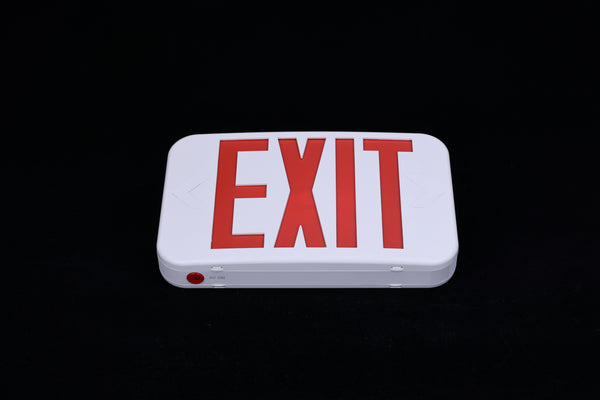
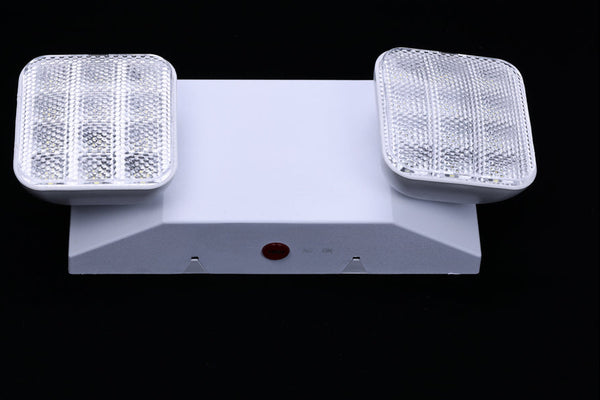
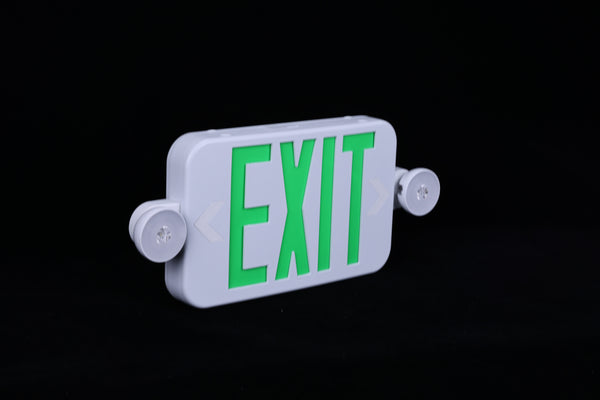
See One Touch replace the 30-second press and hold
One press runs the monthly test, two presses run the annual test, and self-testing models do it on their own. Get bulk pricing.
What self-testing means
A standard emergency light or exit sign has to be tested by a person: hold a test switch for 30 seconds every month and run the unit on battery for 90 minutes every year. A self-testing unit has electronics that do this on schedule. It cuts itself over to battery, times the test, checks the battery, charger and lamps, and shows the result on an indicator.
NFPA 101 recognizes this approach. It allows self-testing, self-diagnostic, battery-operated emergency lighting equipment that automatically performs the 30-second test every 30 days and the 90-minute test every year, as long as a visual inspection is done and records are kept. That turns a ladder-and-stopwatch routine into a walk-through.
How One Touch is different
Every GLS unit, self-testing or not, carries the patented One Touch button (US Patent 11,280,462). It is a large tactile button on the face of the unit:
- One press starts the 30-second monthly functional test.
- Two presses start the 90-minute annual test, with no breaker to switch off.
- The high-visibility indicator reports faults such as improper battery connection, low battery and light source failure.
On self-testing models the button is for on-demand tests, such as when an inspector asks to see one run. On One Touch models it is how you run the tests yourself, in a fraction of the usual time.
What you still have to do
- Look at every unit monthly. Walk the building and check each indicator. A self-testing unit that has flagged a fault needs attention.
- Write it down. NFPA 101 requires written records of inspections and tests for the Authority Having Jurisdiction. Use our free log book.
- Fix faults fast. A flagged battery or lamp should be replaced promptly, then retested with One Touch.
Where the savings come from
The labor in emergency lighting is the testing, not the fixture. Every manual unit needs 12 functional tests and one 90-minute test a year. Self-testing removes the manual test entirely and leaves a visual check. Fewer ladder climbs also means less fall risk for the people doing the work, which was the reason GLS was founded.
Frequently asked questions
Is self-testing emergency lighting allowed by code?
Yes. NFPA 101 allows self-testing, self-diagnostic battery emergency lighting that automatically runs the 30-day and annual tests, provided visual inspections are performed and records are kept.
What is the difference between self-testing and self-diagnostic?
The terms are used interchangeably. Both describe units that test themselves on schedule and indicate faults.
Can I upgrade only some fixtures?
Yes. Many buildings start with the hardest-to-reach units, such as signs over high doors and stairwells, then expand.